
Water and Sanitation
Having increased access to water is crucial not only to decreasing disease but also to empowering women. CHILD firmly believes that empowering women to be key change agents is an essential element to achieving the end of poverty and hunger.
Women too often bear almost all responsibility for meeting basic needs of the family, yet are systematically denied the resources, information and freedom of action they need to fulfill this responsibility. By reducing the distance women go to fetch water, they are thus allowed more time for their own financial or personal pursuits, improving the quality of life for their entire families and communities.
CHILD's Rural WASH Initiatives
Under the WASH program, CHILD aims at improving general health conditions of the focus communities through increased access to clean and safe water, good hygiene conditions, sanitation facilities and building community capacity not only to maintain the facilities through Water User communities but to also to lobby and advocate for qualitative and quantitative WASH services from other duty bearers. CHILD has adopted both right based and service-based approach to service Delivery. CHILD works with partners to supplement Government services by constructing Boreholes, shallow wells, spring tanks, rain water harvesting facilities, School, household and community sanitation facilities.
CHILD is a member of UWASNET a network of NGOs working to improve access to water.

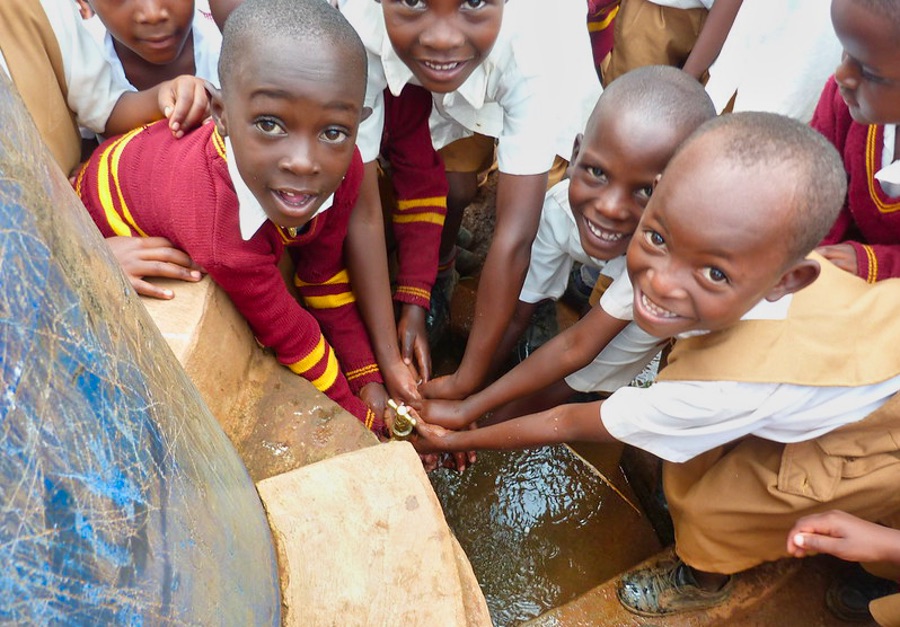
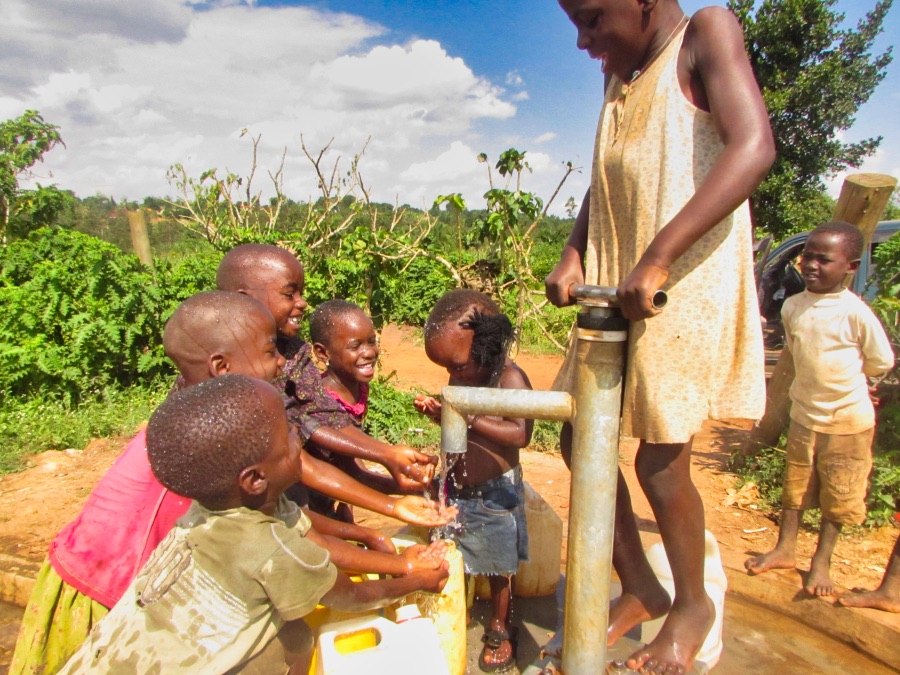
Besides urban WASH, CHILD undertakes wash initiatives in the rural areas / districts of Gulu, Kitgum, Amuru and Nwoya. CHILD wash interventions in the rural areas have benefited over 15,000 People.
The initiatives and the activities undertaken in the rural communities include;
- Mobilization and sensitization of communities on sanitation related aspects.
- Establishment of community structures e.g. Peace ambassadors to meditate and create an enabling environment for development to thrive.
- Provision of sanitation promotion tools e.g. Spades, gum boots, dustbins to sanitation clubs.
- Sensitization of pupils on sanitation aspects e.g. Menstrual Hygiene Management, clean water cycle, proper hand washing.
- Bore hole drilling and rehabilitation
- Valley dam desilting
- Provision of rain water harvesting tanks
- Establishment of institutional VIPs and communal ones
- Establishment of placenta pits at health centers
- Establishment of incinerators at health units
Key achievements
- CHILD has contributed to increased awareness about water and sanitation related aspects in schools and communities. Over 20,308 community members and school children have been sensitized about improved sanitation and hygiene practices.
- CHILD has contributed to increased accessibility to safe drinking water to about 10,000 people in the country.
- Contributed to increased access to improved sanitation services in the country to over 50,300.
- Contributed to improved agricultural productivity in the districts of Gulu, Kitgum, Nwoya and Amuru through support for establishment of Water for production facilities.
- We have formed and empowered over 30 community advocacy committees with lobbying and advocacy skills.

